
Valid, Arbitrary, Rational- an in-depth investigation into VAR. Part 2- VAR: Different Countries and Sports
This second feature in the series will look at VAR and it’s use in different countries and other sports.
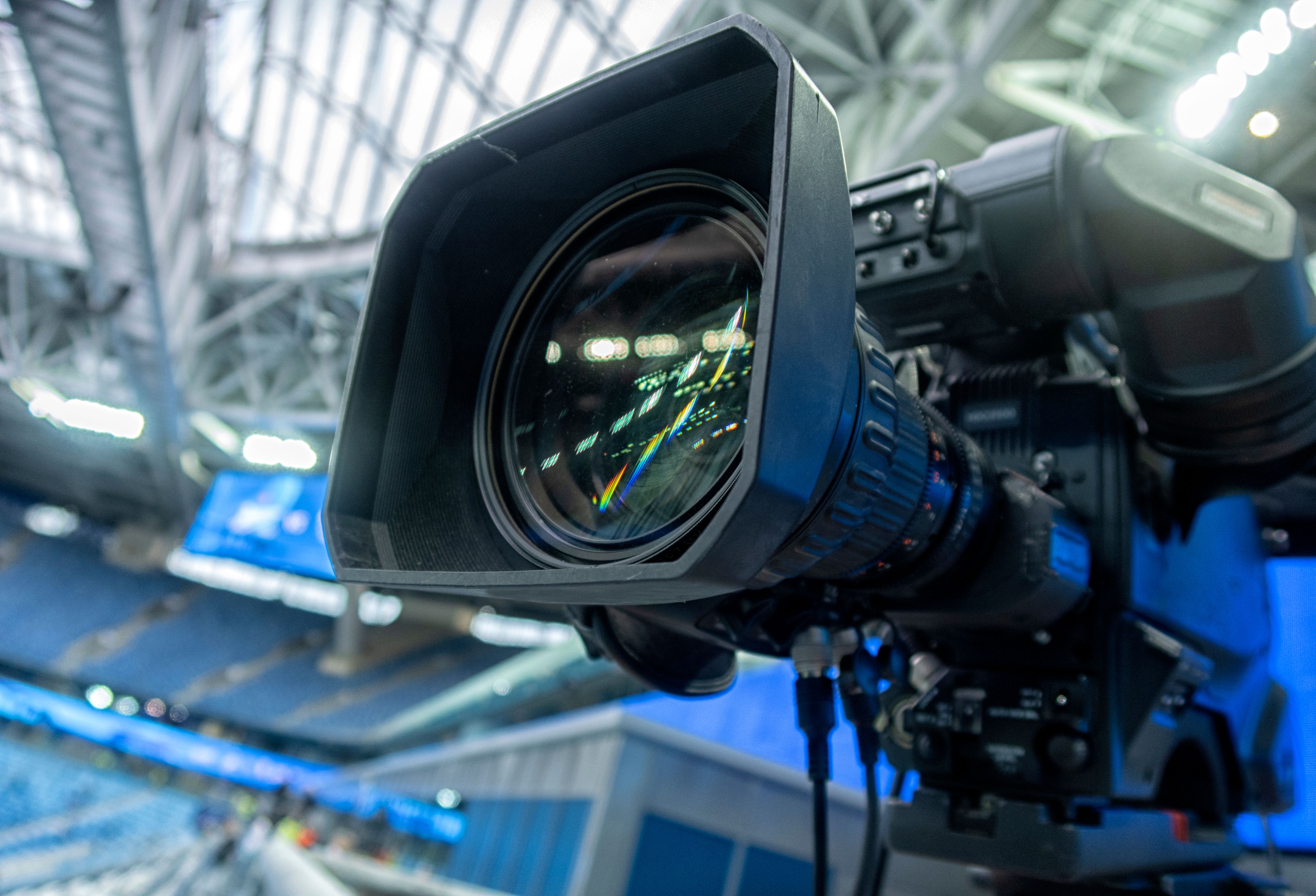

While VAR is the major topic of controversy in football, other sports have also taken up the use of video technology to ensure fair play. These technologies, like VAR have differing opinions from sports fans in their use and how they work.
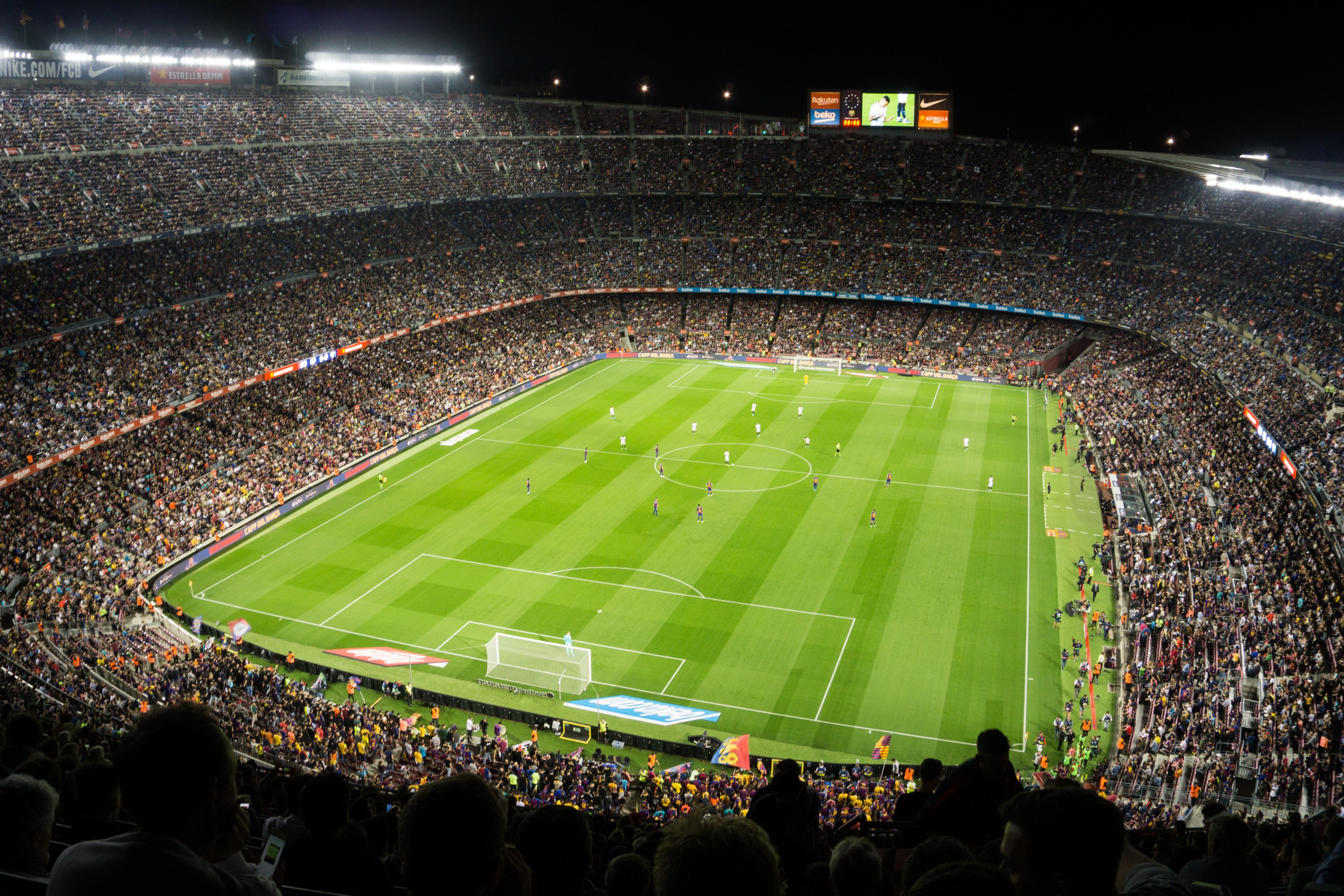
Major leagues such as the Bundesliga, Serie A and Ligue 1 now use VAR and recently retired FIFA referee Alex Kotey disclosed that FIFA has given an ultimatum to all countries under the association to implement VAR by 2023.
One of the countries where VAR is used is Spain, in the elite flight La Liga. Alike in this country, the VAR can only assist the referee when there is a ‘clear and obvious error’, and it has just as many incidents as the English league which are rife with controversy.
Mark Sochon, freelance journalist and LaLiga expert commenting on VAR in Spain said ‘it’s been effective up to the point in that it leads to more correct decisions overall and it has removed the possibility that an obviously wrong call determines the outcome of the game. However, combined with the other factors such as the number of substitutes, it has certainly contributed to more pauses and some games feel very disjointed as a result.’
Tweet credit by @marksoc1 on Twitter.
He commented on the number of referrals that VAR has in Spain and said ‘my impression is that I feel like there are more decisions that go to VAR than some other leagues and the stoppages tend to be a lot longer while they look at incidents. It is very often that we have games surpass 100 minutes now, which is rare in other countries. But it certainly has not had the effect of reducing the amount of controversy with a discussion about refereeing and VAR decisions.’
But despite the amount of controversy, Mark feels that the overall backlash has not been as bad as it has in England. ‘It feels like it is something that supporters have accepted is here to stay’ he said, and ‘they only now really moan when a decision goes against their team’. In terms of strengths and weaknesses of VAR’s usage in LaLiga, Mark said ‘although some supporters may disagree, you rarely see awful decisions’ but on the other hand ‘the length of time it takes to make a decision is unnecessarily long, it sometimes takes two or three minutes.’
Another country in which VAR is used is the Scottish Premier League (SPFL), after introducing the technology in October 2022, in the last match week before the World Cup break.
Football writer and Celtic FC audio descriptive commentator Callum McFadden offered his opinions and insight on the topic. Unlike other countries, VAR has been largely effective in Scotland, despite only being introduced recently.
Callum said ‘it has been consistent in terms of offsides and checking decisions however the issue of handball has been erratic, so much so that a meeting was held between all SPFL clubs and the footballing authorities to try and clear the air following inconsistencies with decision making regarding handballs by on-field officials and VAR.’
Due to the SPFL’s style of football, the elite-level game has been affected due to VAR and fans are not fond of the technology.
Callum said ‘one of the main strengths of our game is the pace and power that the game is played at, and it has slowed down due to the implementation of VAR. But if the time it takes to make a VAR decision improves then this may very well change fan perspectives.’
Tweet credit @Callum7McFadden on Twitter.
Offering his opinion on the technology, Callum said ‘I personally believe that it is an important safety net for on-field referees given what is at stake across the Premiership. It ensures that referees can have peace of mind if they make an error, knowing that VAR is there to help and support them.’
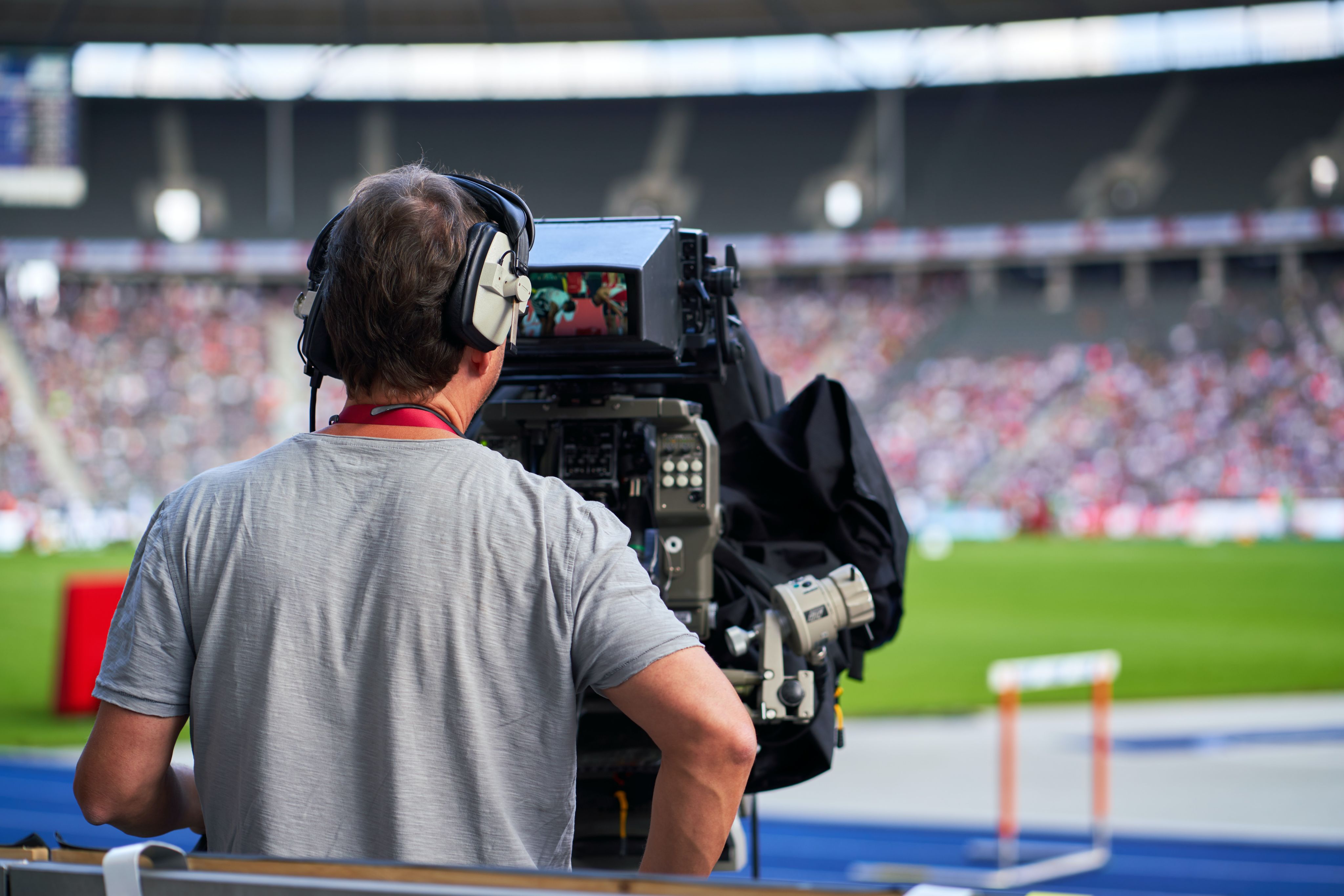
So, what about video technology and its effectiveness in other sports? Video technology is used in almost every major sport including cricket, rugby, tennis, and snooker.
In cricket, the Decision Review System (DRS) was introduced in 2008 to assist umpires in making decisions. It allows teams to challenge umpire calls, which are then reviewed by a third umpire using various camera angles. The system has been successful in reducing the number of incorrect decisions made on the field and few have issue with the technology.
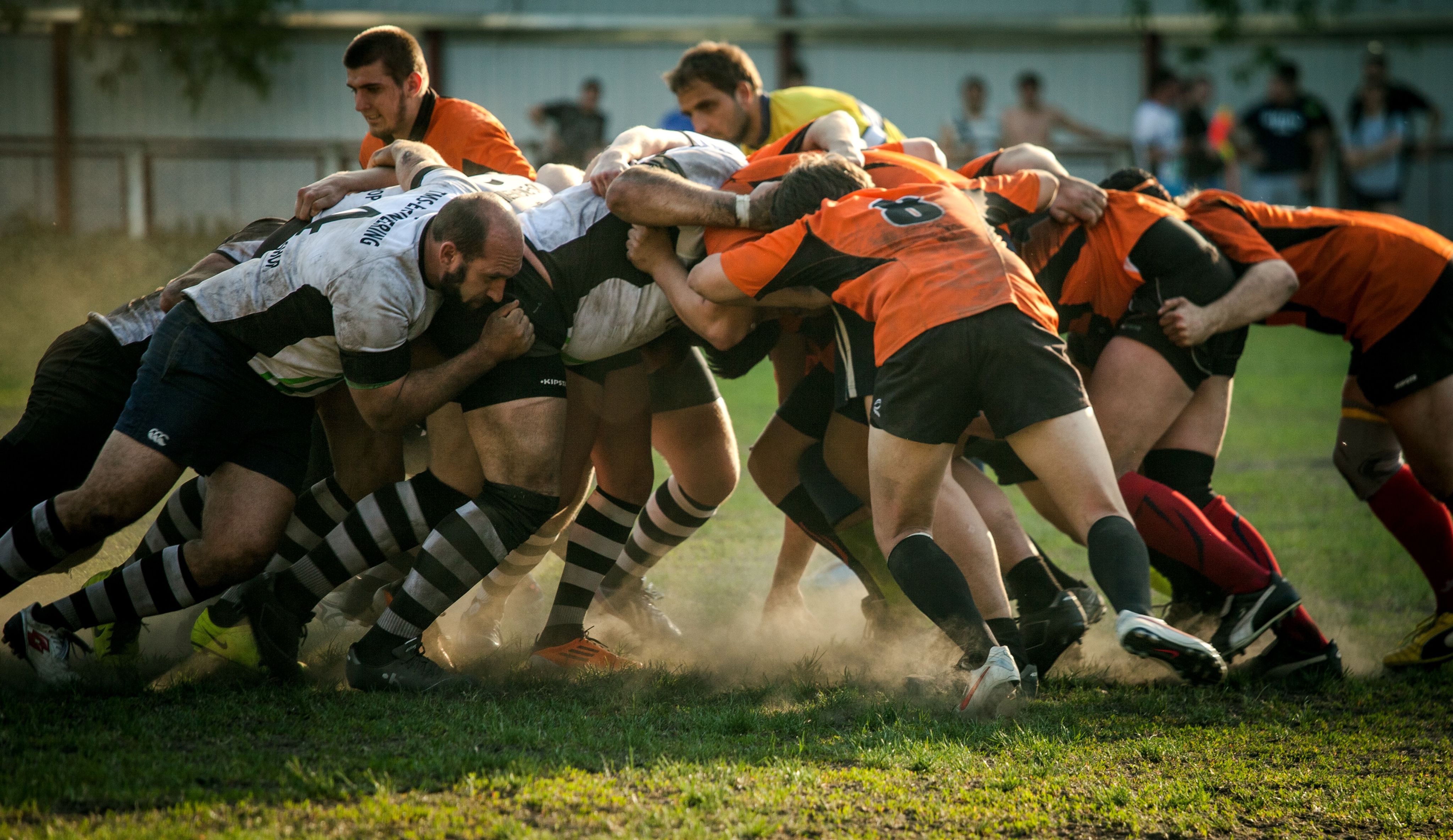
In rugby, the Television Match Official (TMO) has been used since 2001 to review decisions made by the referee. The TMO can be used to check for tries, foul play, and other incidents. Since television coverage and cameras are so good now, the game had to embrace the use of TMOs and technology to help get key decisions correct.
Alex Lowe, the rugby correspondent for The Times, spoke about TMOs in rugby and their effectiveness. In terms of how much the technology affects the flow of the game, he said ‘I think they work best when they operate in the background, helping the referee and checking incidents so that the games do not have to stop unnecessarily.’
He continued ‘There are sometimes games when a regular 40-minute half can take an hour due to the number and length of interventions and that changes the very nature of the game because it affords players time to recover and lessens the natural impact that fatigue can have on the flow of the game.
The system relies too much on the local TV director showing the best angles, whilst Hawk-Eye, which is only used in the World Cup, shows all angles at once and should be employed across all competitions. Then that way, you avoid the director uncovering the key replay after the match has resumed’.
Tweet credit @AlexMLowe on Twitter.
In terms of the future of video technology in rugby, Alex said ‘the sport must be careful here. The job of a referee isn’t to apply every law in the book because then you would never have a match’. He continued ‘the moment a TMO is involved it removes any sense of empathy that a referee may have towards the players or the games. Ultimately, for the future of rugby video technology, I would roll out the use of Hawkeye as standard’.
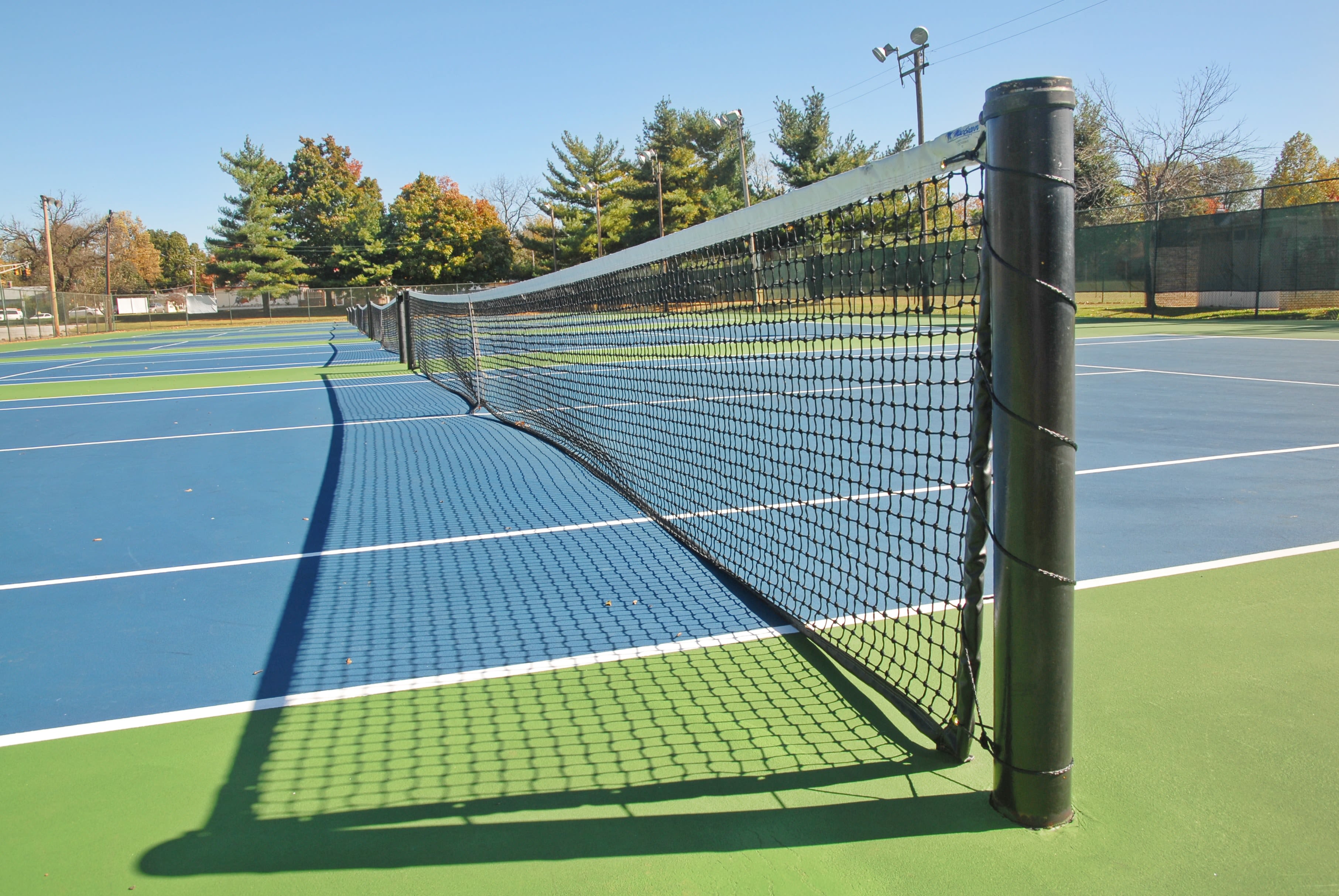
In tennis, the Hawk-Eye system has been used since 2002 to assist umpires in making decisions. It uses cameras to track the ball and predict its trajectory. Also, recently in 2020, Hawk-Eye Live was introduced. Both have been successful in reducing the number of incorrect calls made on the court. Ben Rothenberg, senior editor @racquetmagaxine and influential tennis journalist, said ‘the general opinion of Hawkeye is good, and there is a lot of confidence in it, it’s been fair and accurate for 20 years.’
Commenting on Hawk-Eye Live, Ben said ‘it started during the pandemic. Many players like it and think it is accurate and fair. But it has not been integrated well in terms of the viewers because there is no visual indicator, and the decision is sometimes not clear until the umpire decides which can be several seconds.
Tweet credit by @BenRothenberg on Twitter.
On if Hawk-Eye is more reliable than other courts that use human line judges, Ben commented ‘it’s hard to say how reliable and accurate it is but it’s undoubtedly very definitive in the sense of the call is in or out and even if there’s margin for error, it can’t be overturned and cannot be argued against’.
To conclude, VAR and video technology in other sports is mostly controversial in all countries of use and it is evident that the major issue as highlighted by many people is the length of time it takes to decide, which naturally disrupts the flow of the sports.
So, the season before VAR was introduced, what were the biggest moments in the Premier League? The next article in the series compares the 18/19 season vs the 21/22 season in if the decisions would have been different with the use of technology...






 Built with Shorthand