Autism and the Coronavirus
How the lockdown affected autistic people

Autism is a lifelong development disability, which affects how people communicate and interact with the world. Autistic people can experience either under or over sensitivity to light, sound, taste, or touch. Autism is considered a spectrum and can affect people differently.
A report by the National Autistic Society in collaboration with Ambitious About Autism, Autistica, Scottish Autism and the Autism Alliance found that the lockdown has negatively affected autistic people. This series of news stories explores how the lockdown affected autistic people in different areas of life.
This story looks at the impact the March 2020 coronavirus lockdown had on autistic people. From losing work, through to looking after a shielding family member as well as dealing with the disruption to academic work.
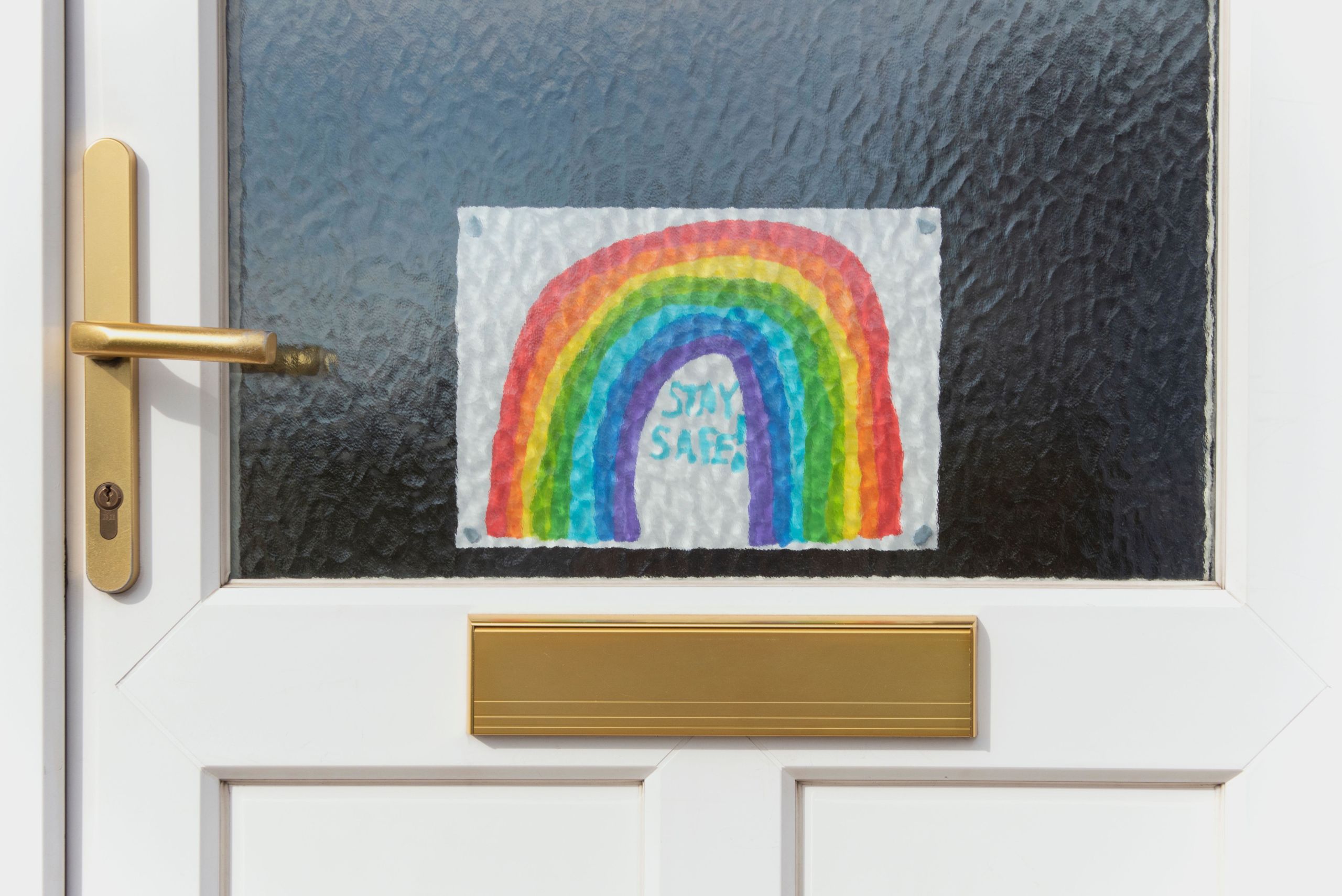
In March 2020, the UK was placed into a lockdown to stop the spread of the Coronavirus. All Non-essential shops and businesses closed. All schools, colleges, and universities had to move to online learning. We all had to “stay at home, protect the NHS”, save lives”. For autistic people this meant a big change to their lives
Sam Warner is a public speaker and interpreter for autistic people. Sam and her husband Dave both have autism.
“My diary which was full of me speaking from stage and training people in classrooms became blank pages,” Sam said as the lockdown came into effect. The lockdown affected Dave’s work routine.
“Dave likes to be around people and when he was asked to work from home, he didn’t like it. He likes the discipline of being around his colleagues, being in the zone and asking questions. Then there were the technical issues at the start with the company not having enough licences for everyone to be on the system which made it more stressful for him,”. Sam said.
Sam also described the impact of not being able to see family. “I haven’t seen my parents since March. We have spoken on the phone and over WhatsApp but I’m a very tactile person and it has been very difficult without being able to hug or sit next to them,” Sam said.
Jo Ross Barrett is an inclusion consultant and a is a former volunteer in a care home for visually impaired people. Jo is diagnosed is autistic and has depression and anxiety.
“At the start of the lockdown, I was due to start my counselling with the NHS. I had been waiting over two years. I had been trying to get my life back on track because I have depression and anxiety which are common alongside autism” Jo said.
“I started going to a local choir which was mainly full of older women and a few people my age. I’d seen on social media that the coronavirus was hitting Italy and I thought I shouldn’t go to choir in case I accidentally pass it on to an old lady” Jo said.
Jo described their experience in dealing with the change of routine due to the lockdown. “I had seen it unfold in other countries on social media, so I had time to mourn that everything was going to change. I made the decision about not going to volunteer at the care home because I didn’t want to put the residents at risk”. Jo said.
Jo also discussed the balance of looking after a shielding family member. “Once they announced the lockdown, my dad was placed in a high-risk group and he could not go out to get his medication, I had to go and get it for him, one time I went out and I had missed my first session of counselling” Jo said
Taela Jones is a University of York graduate. Taela has Autism Spectrum Disorder and studied drama in her time at university. Taela described the impact the lockdown had on her coursework.
“I had a full plan for my course where I would do different performance structures, but it all got scrapped because the university brought in new assessments” Taela Said.
“There was one day where I had to ask the university for an extension, by that point I had been supporting my partner who had lost a family member. I received a phone call where I was not allowed an extension and only had 24 hours to complete the assessment”.
“I just ran away, there was a walk near my flat. I ran it for a full hour without realising. By the time I came back, I received a second call where I was granted the extension. Taela said.
Taela also works for Greggs and described the stress of living on furlough. “When the pay came in, I would know how much I could spend on myself and have just enough for a supermarket run.”
The March 2020 and subsequent lockdown in November 2020 and January 2021 has been a challenging time for autistic people. Dr Amy Pearson, A University of Sunderland Psychology lecturer who specialises in autism explains why.
“Some autistic people have found lockdowns challenging due to changes to regular routine (i.e. not being able to go to school or work, seeing friends, visiting their favourite places) and the uncertainty around what is going to happen in the future. The frequent changes in rules and lack of clarity about safety measures have made some people very anxious and exacerbated mental health difficulties.
“However, some people have found the lockdowns positive- the lack of social demand and ability to create new routines has been a source of comfort to some people, helping them to cope with the uncertainty during the pandemic.”
This is the first in a series of stories exploring the impact the COVID-19 Coronavirus Lockdown has had on autistic people. To read the Left Behind report by the National Autistic Society along with Ambitious About Autism, Autistica, Scottish Autism and the Autism Alliance click here.
 Built with Shorthand