
Surviving COVID-19: Part Four - Players vs The Coronavirus
The inside story on the overall mental and physical problems that the pandemic has created for non-league football players.

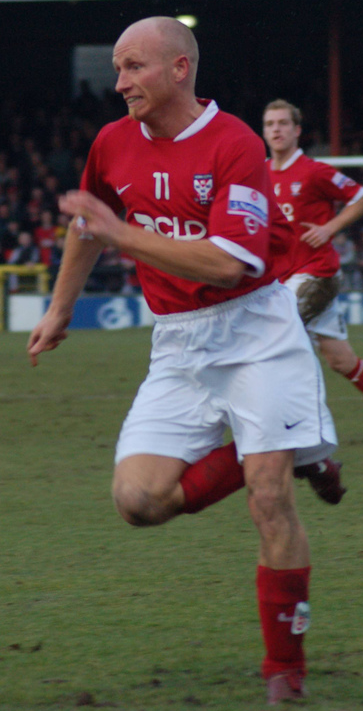
Former professional footballer Steven Bowey was confined to his bed for six days after contracting coronavirus.
The ex-Bristol Rovers midfielder even struggled to exercise in the garden as he tried to battle back to full fitness.
He said: “I was bad for 5-6 days it hit me hard, I couldn’t get out for six days I tried to get myself going, tried to drink loads of water and try and exercise in the garden, it did knock me for six.”
He came back two weeks later, scoring a hat-trick in an over 40’s game, before playing a full 90 minutes against Newton Aycliffe and becoming the oldest player in the Northern League.
Over a year without normality in England’s lowest tiers of football, Ben Robinson investigates into what it was like for a player suffering from COVID.
The pandemic may not have only just physically harmed people but also put a strain on mental health in athletes across the country.
Some have mentioned the ‘bigger picture’ when it comes to the return of football, with players and coaches struggling to see a clear justification for the continuation of the season.
Next season could see unique circumstances in context to health, with unknown long-term effects of the virus and Sport England’s plan for a gradual return for sportspeople.
However, it isn’t just players that have been mentally challenged by the global pandemic, with coaches and other club staff struggling to cope with all of the changes.
Whickham FC manager, Mark Convery, admits that when people around him started contracting the virus, is when he realised the severity of the situation.

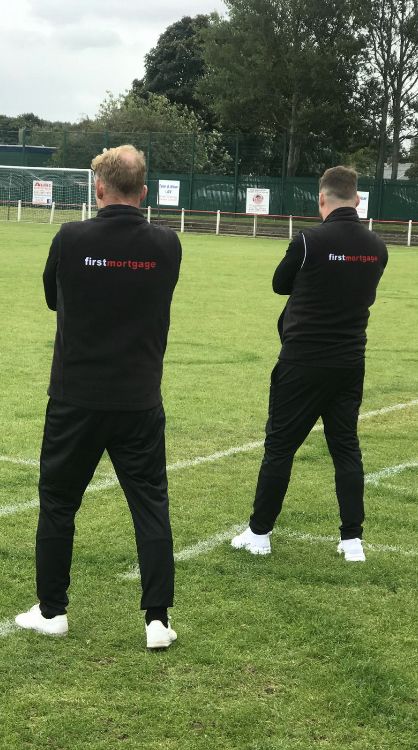
Mark Convery (right) and Steven Bowey (left) coaching Whickham FC together
Mark Convery (right) and Steven Bowey (left) coaching Whickham FC together
He said: “I think everyone was aware of it and knew the risks involved and everything but until it actually physically started happening to people that we knew, family members, parts of the squad, staff around the club you know volunteers that give up their own time.”
Despite the mental and physical draining from the pandemic, Convery won’t be the only one struggling with a severe lack of competitive sport.
Matt Danby from Embrace Physiotherapy highlighted the damaging effects he has witnessed to people’s mental health without being able to do sport.
He said: “I think a lot of people view exercise as their way of coping, staying fit and healthy yes, but mentally well, socialising with their friends it’s their activities away from work, away from family and things like that.”
In a recent survey by the PFA on footballer’s mental health, a fifth of current and former players said they were affected by depression or had thoughts of self-harm.
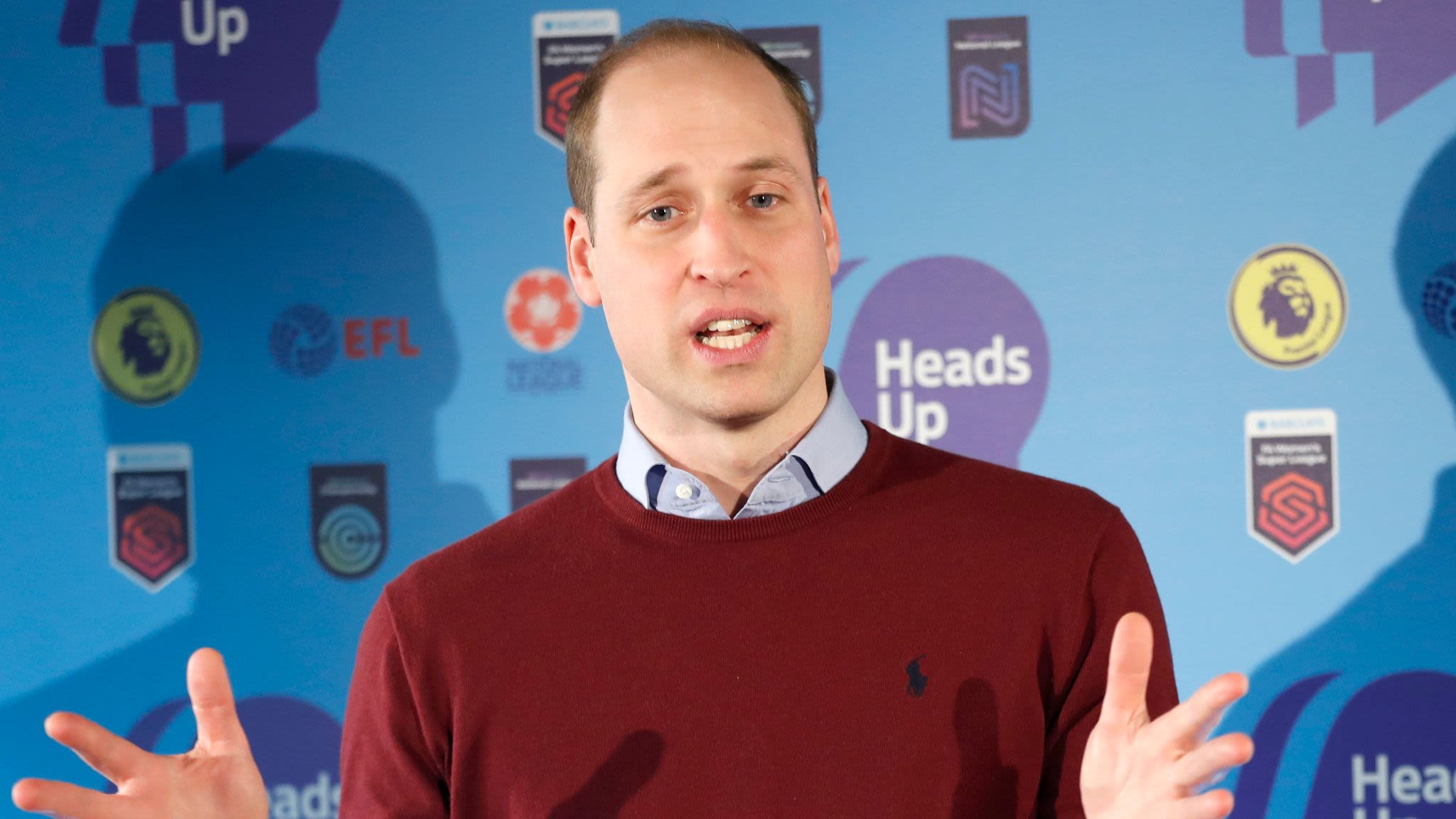
Mental health statistics within football from surveys done by the mental health charity, Heads Up
Another reason for a sporting person’s mental strain could be the fact they have had the three traits of motivation which are, autonomy, competence and relatedness, taken away.
Sports psychologist, David Charlton, explains how these three traits could highly demotivate people who are involved in sport.

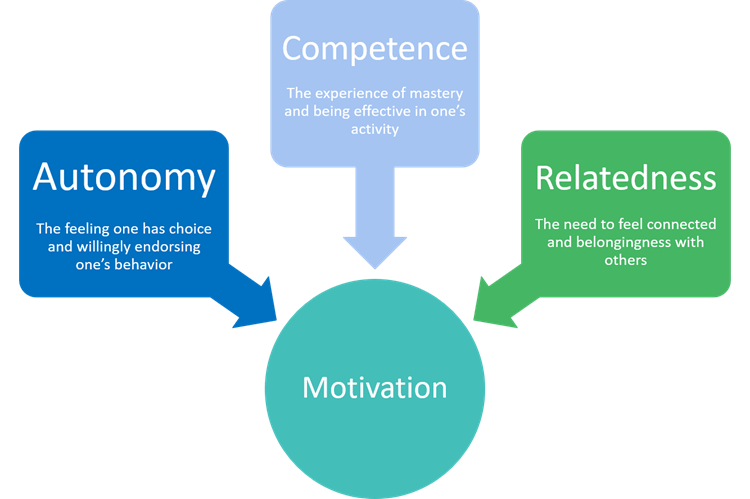
Three traits behind motivation (Image credit: WikiMedia commons)https://commons.wikimedia.org/wiki/File:Self-Determination-Theory-Visual_1.png
Three traits behind motivation (Image credit: WikiMedia commons)https://commons.wikimedia.org/wiki/File:Self-Determination-Theory-Visual_1.png
He stated: “An autonomy, which ultimately is a sense of control over your situation which there with the uncertainties so that is taken away from people.”
Charlton then explained the other two traits and why specifically footballers could struggle without their sport.
He said: “So with playing football I would imagine most players would get a kick out of winning or trying to play well they’re not able to do that so they’re going to have to try and find satisfy that psychological need for competence somewhere else.”
He continued: “The last thing which is relatedness really to be connected to other people and let’s be honest in football you’re in a team, you’re going to have some mates in your team so you’re going to be involved in the comradery and the banter, you’re going to be spending time with your friends normally that’s gone out of the window.”
The lack of relatedness has seemingly taken its toll on Bowey, with the midfielder finding the absence on interaction rather challenging.
He said: “Just about every night of the week there’s something going on, you’re speaking to players, you’re in contact with them, I mean we’re talking about training, what we’re going to do in training, we’ve got a game every Saturday so you’re kind of focused on who you are playing and what we’re doing and for all of that to be taken away, your life kind of stood still.”
Despite the negativity around the season ending abruptly once again, Convery believes that clubs were unable to follow restrictions in the end due to a high risk.
He said: “Not that we weren’t following the new rules, but it became nigh on impossible to follow them, to run a football game with team talks at half-time and warmups and being on the pitch, it was pretty much impossible to socially distance through all of it.”
Bowey also believes that it became much more than football once the death toll started to rise.
He said: “Like everybody you’re devastated, but you’ve got to look at the bigger picture you’ve got to look at what’s happening in the world with people dying, you know it was devastating for everybody.”
The midfielder enjoyed the brief stint back playing football between August and November, despite having to adapt to consistently changing rules.
He said: “It didn’t seem quite right, there wasn’t the same vibe there was pre-covid, it was difficult we had to kind of adapt, structure things differently. It was enjoyable, it was a release, but it was certainly different.”
The return to football may be a long road back now but Sport England and other sporting institutes have helped develop a six-stage recovery guide for athletes returning after contracting COVID-19.
Known as the GRTPP (Graduated return to play policy), Danby explains why this guide may be very useful for athletes in the future.
Gradual return to play protocol from the British Journal of Sports Medicine
He said: “I think it’s really important players are aware of it and kind of do look to follow it because you do kind of want to retrain your body, mentally and physically to get back into activity and sport, if you don’t then again, you’re potentially going to overload a system that is under too much pressure and stress.”
Charlton deems that players could run out of steam if they return without a gradual process.
He said: “Because their schedules are going to become a lot busier in terms of the intensity obviously from a physical point of view it might cause issues with injury which then goes on to have a psychological component to it, they might burn themselves out pretty quickly because of the intense nature of training and lots of matches too.”
A gradual return to football may be the only suitable plan in place, with a lot of unknowns as to what COVID-19 can cause to the body of an athlete in the long run.



 Built with Shorthand